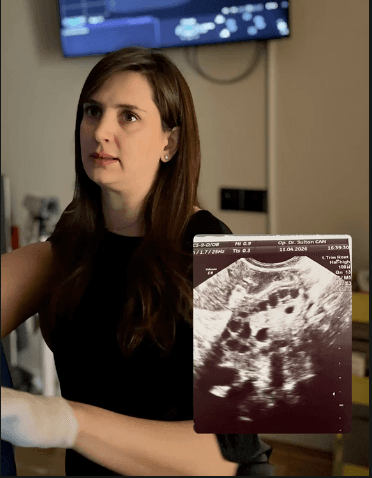
What Is PCOS?
Polycystic ovary syndrome may involve irregular periods, ovulation problems, excess hair growth, acne, weight gain or insulin resistance. Diagnosis is not based on ultrasound appearance alone; symptoms and laboratory findings are evaluated together.
Treatment Goals
The plan changes according to the patient's priority: regulating cycles, reducing acne or hair growth, managing metabolic risk or planning pregnancy may require different approaches.
- Cycle and ovulation assessment
- Insulin resistance and metabolic risk follow-up
- Management of acne and excess hair growth
- Ovulation support when pregnancy is planned
Lifestyle and Long-Term Follow-Up
Nutrition, movement, weight management and sleep are important in PCOS care. Long-term follow-up may be needed for diabetes risk, cholesterol and endometrial health.
Medical Sources
This patient-information article reflects the clinical guidance below and does not replace individualized diagnosis or treatment.