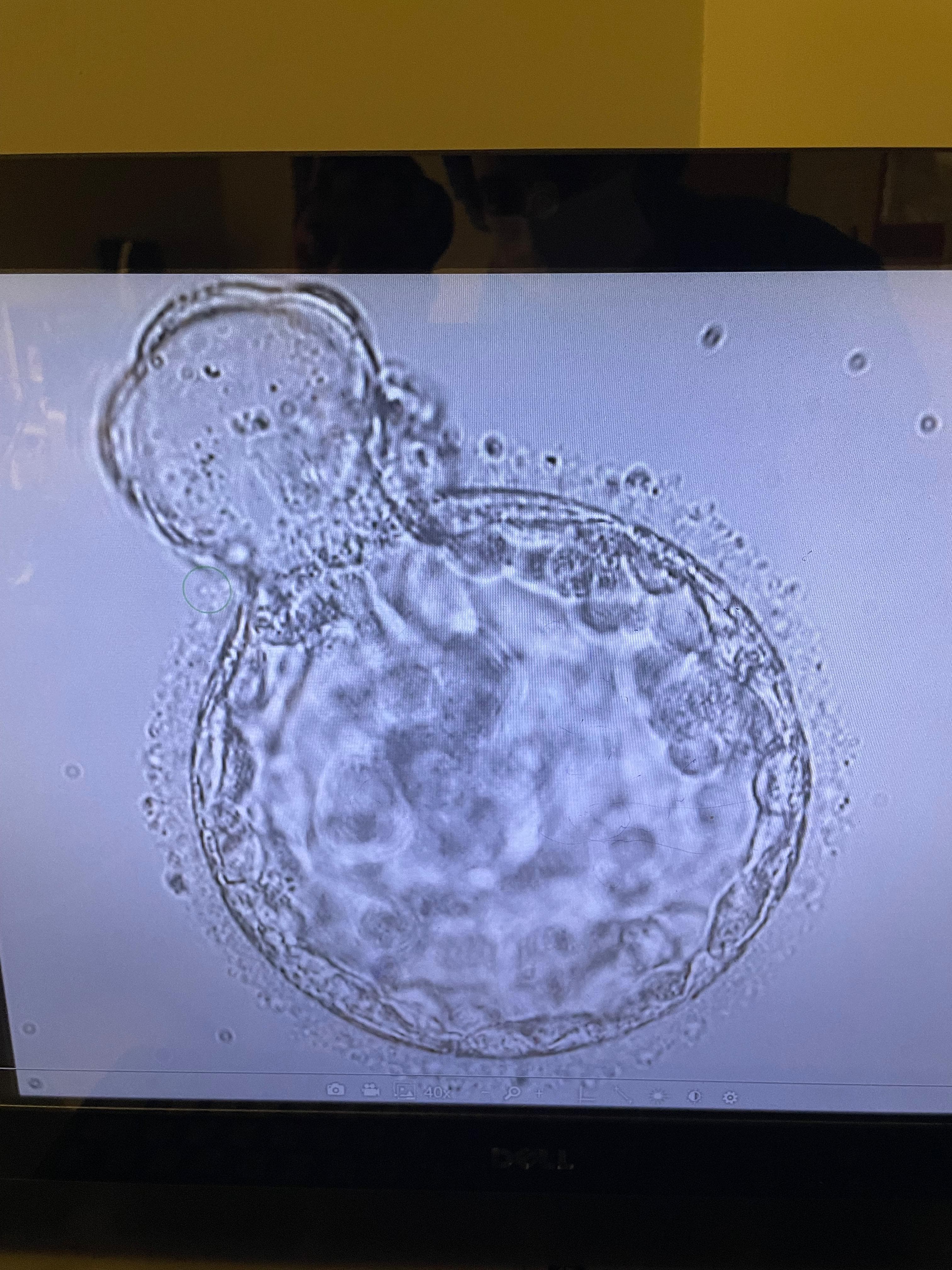
How Is IVF Planning Started?
IVF planning considers ovarian reserve, sperm evaluation, uterine structure, age, previous pregnancies and treatment history together. The first consultation is designed to evaluate the factors that may affect pregnancy chances systematically.
- AMH and ovarian reserve assessment
- Ultrasound and uterine evaluation
- Semen analysis and couple-based planning
- Referral and coordination with an IVF center when needed
What Is Egg Freezing?
Egg freezing means collecting and freezing eggs for possible future use. It may be considered because of age, ovarian reserve, medical treatments, career planning or personal reproductive goals. Age at freezing is one of the key factors affecting future success.
Realistic Expectations
Egg freezing does not guarantee future pregnancy; it is an option to preserve reproductive potential. Target egg number, possible number of cycles and future use should be discussed individually.
Medical Sources
This patient-information article reflects the clinical guidance below and does not replace individualized diagnosis or treatment.