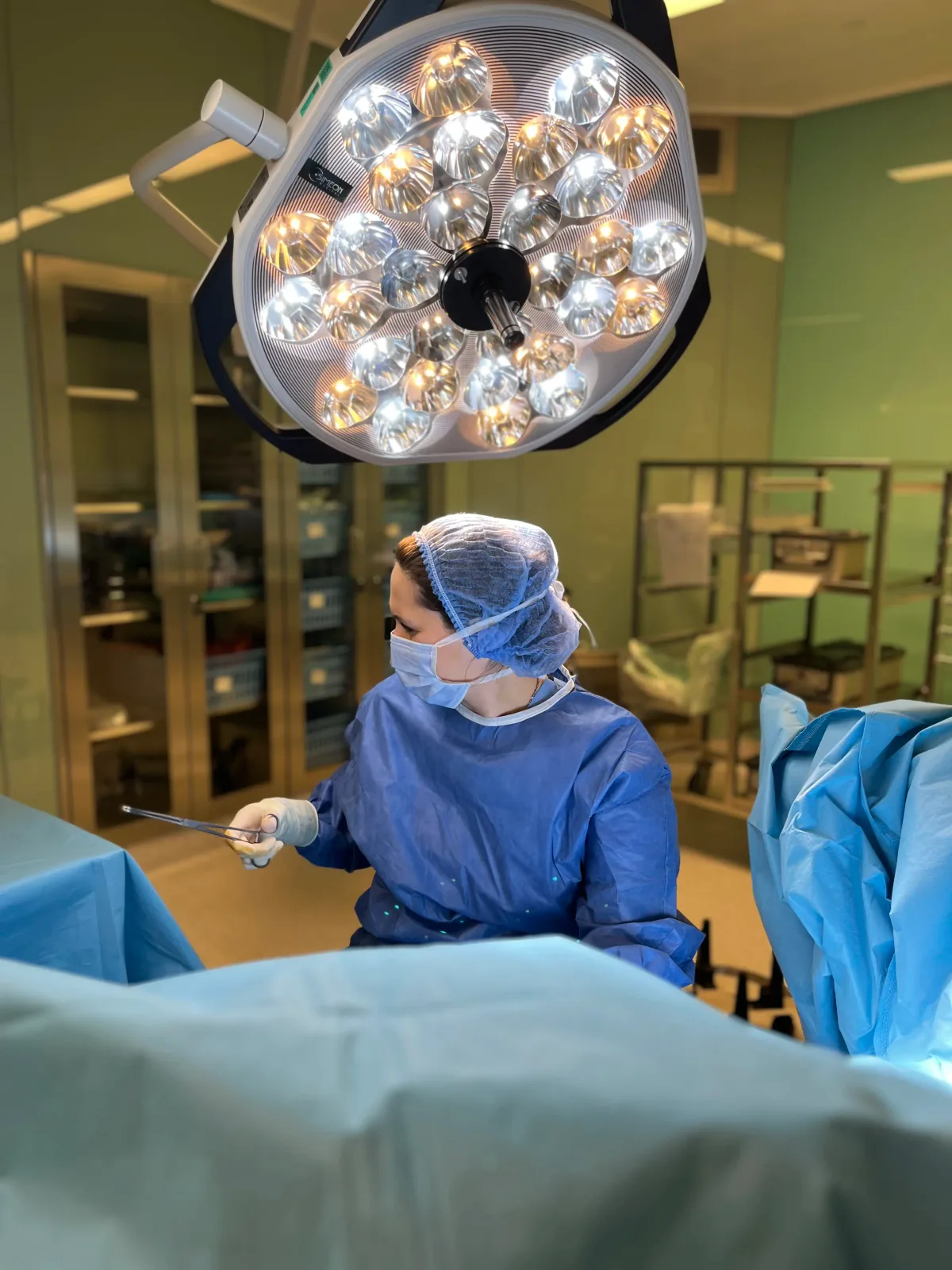
What Is Aesthetic Vaginoplasty?
Aesthetic vaginoplasty is a surgical procedure that evaluates the vaginal canal and surrounding tissues from both functional and aesthetic perspectives. It is often referred to as vaginal tightening surgery and may be considered after childbirth-related laxity, a feeling of looseness or reduced comfort in sexual life.
Who May Be Considered for Vaginoplasty?
Suitability depends on symptoms, expectations, examination findings, birth history and overall health. The consultation covers not only aesthetic goals but also functional discomfort and daily-life impact.
- Patients with postpartum vaginal laxity or a feeling of looseness
- Patients reporting reduced comfort or confidence during sexual life
- Patients whose vaginal tissue changes affect daily life
- Patients with realistic expectations after medical evaluation
Procedure and Recovery
The scope of the procedure is decided after examination. Hygiene, wound care, follow-up visits, exercise restrictions and return to sexual activity are explained individually. Recovery timing varies depending on procedure extent and personal healing.
A Natural and Balanced Goal
The goal of genital aesthetic surgery is not to create a single standard appearance. Planning should protect anatomy, prioritize comfort and address expectations realistically.
What Is Evaluated During a Vaginoplasty Consultation?
During consultation with Dr. Sultan Can, birth history, degree of vaginal laxity, pelvic floor support, possible urinary leakage, reduced comfort during sexual life and expectations are reviewed together. Planning is based on real needs rather than a procedure name alone.
Vaginoplasty, Pelvic-Floor Care and Other Options
Not every laxity or comfort concern requires surgery. Pelvic-floor physiotherapy and treatment directed at the cause may be considered first. Energy-based procedures marketed for vaginal tightening are not equivalent to surgery, and robust long-term evidence of benefit is limited.
- Privacy-focused genital aesthetic consultation
- Personalized surgical planning for vaginal tightening
- Pelvic-floor assessment and evidence-based nonsurgical options
- Follow-up, hygiene guidance and return-to-routine planning
Medical Sources
This patient-information article reflects the clinical guidance below and does not replace individualized diagnosis or treatment.